
What Is a Formal Dress for Ladies Today?

Most Italian and French designers agree that the right formal dress can transform not just your look but your confidence. For women who appreciate craftsmanship and seek timeless elegance, finding that perfect gown is more than a fashion choice—it is an investment in style and presence.
Whether you crave a luxurious fabric or a silhouette that never goes out of fashion, this guide reveals how to select high-quality formal dresses that meet the highest standards of beauty for any prestigious event.
Table of Contents
Key Takeaways
Point | Details |
Importance of Fabric and Fit | Selecting high-quality fabrics and achieving a perfect fit are crucial for a sophisticated formal look. |
Understanding Dress Codes | Familiarize yourself with specific dress codes to choose the appropriate attire for different formal events. |
Role of Accessories | Carefully selected accessories can elevate the overall ensemble, adding sophistication without overwhelming the outfit. |
Common Pitfalls | Avoid ill-fitting garments and overly bold designs to ensure your formal appearance communicates elegance and professionalism. |
Defining Formal Dress for Ladies
A formal dress represents the pinnacle of elegance and sophistication, transcending mere clothing to become a statement of refined style. Formal wear traditionally encompasses attire designed for the most distinguished social occasions, where precision in presentation and adherence to specific aesthetic standards are paramount.
Modern formal dresses for women have evolved significantly from historical conventions, now offering remarkable versatility while maintaining core principles of grace and appropriateness. These garments are characterized by their meticulous construction, premium fabrics, and silhouettes that communicate both respect for the occasion and personal refinement. Contemporary formal attire ranges from floor-length evening gowns to sophisticated cocktail dresses, each meticulously crafted to suit different levels of formality and social contexts.
The essence of a formal dress lies not just in its physical attributes, but in its ability to transform the wearer, elevating her presence with an aura of sophistication. Polished formal attire communicates professionalism and social awareness through modest designs, conservative cuts, and strategically selected colors that ensure appropriateness across various high-profile events like weddings, corporate gatherings, and prestigious social functions.
Pro Tip: When selecting a formal dress, prioritize timeless design elements and impeccable fit over trendy but fleeting fashion statements.
Types of Formal Dresses and Events

Formal dresses represent a sophisticated spectrum of attire designed to meet specific social and professional contexts, each style carefully curated to communicate elegance and appropriateness. Formal wear encompasses a range of styles from white tie to black tie events, each with distinct dress code expectations, allowing women to select garments that perfectly match the occasion’s level of formality.
The landscape of formal dress styles includes several key categories that cater to different event requirements. Ball gowns remain the pinnacle of formal elegance, featuring full skirts and fitted bodices ideal for high-society events and galas. Evening gowns offer a more streamlined silhouette, typically floor-length and crafted from luxurious fabrics like silk, chiffon, or velvet. Cocktail dresses provide a versatile option for semi-formal gatherings, usually knee-length and designed to transition effortlessly between professional and social settings.
Formal events range from educational gatherings to prestigious social functions, each demanding a nuanced approach to dress selection. University ceremonies, corporate dinners, charity galas, and wedding receptions all require carefully considered attire that balances personal style with respect for the event’s tone. Understanding the subtle distinctions between white tie (most formal), black tie, and black tie optional dress codes enables women to make confident, appropriate fashion choices that communicate sophistication and social intelligence.
Here’s a helpful comparison of formal dress types by event:
Dress Type | Typical Occasions | Key Fabrics |
Ball Gown | Galas, debutante balls | Satin, tulle |
Evening Gown | Black tie events, galas | Silk, velvet |
Cocktail Dress | Semi-formal gatherings | Chiffon, crepe |
A-line Dress | Wedding receptions, dinners | Lace, organza |
Pro Tip: Always confirm the specific dress code beforehand and select a versatile dress that can be accessorized up or down to match the event’s exact requirements.
Key Features and Dress Code Essentials
Formal attire demands meticulous attention to detail, with each element carefully considered to create a polished and sophisticated ensemble. The essential features of formal dress for ladies encompass structured designs that balance professional refinement with personal expression, requiring a nuanced approach to fabric, fit, and overall presentation.

The key components of a formal dress extend far beyond simple fabric selection. Tailoring becomes paramount, with precise cuts that emphasize elegant silhouettes and provide a flattering fit. Luxurious fabrics like silk, satin, and fine wool create the foundation of exceptional formal wear, while subtle color palettes in neutral or deep tones communicate sophistication. Necklines, sleeve lengths, and hemlines must be carefully considered, striking a delicate balance between modesty and contemporary style.
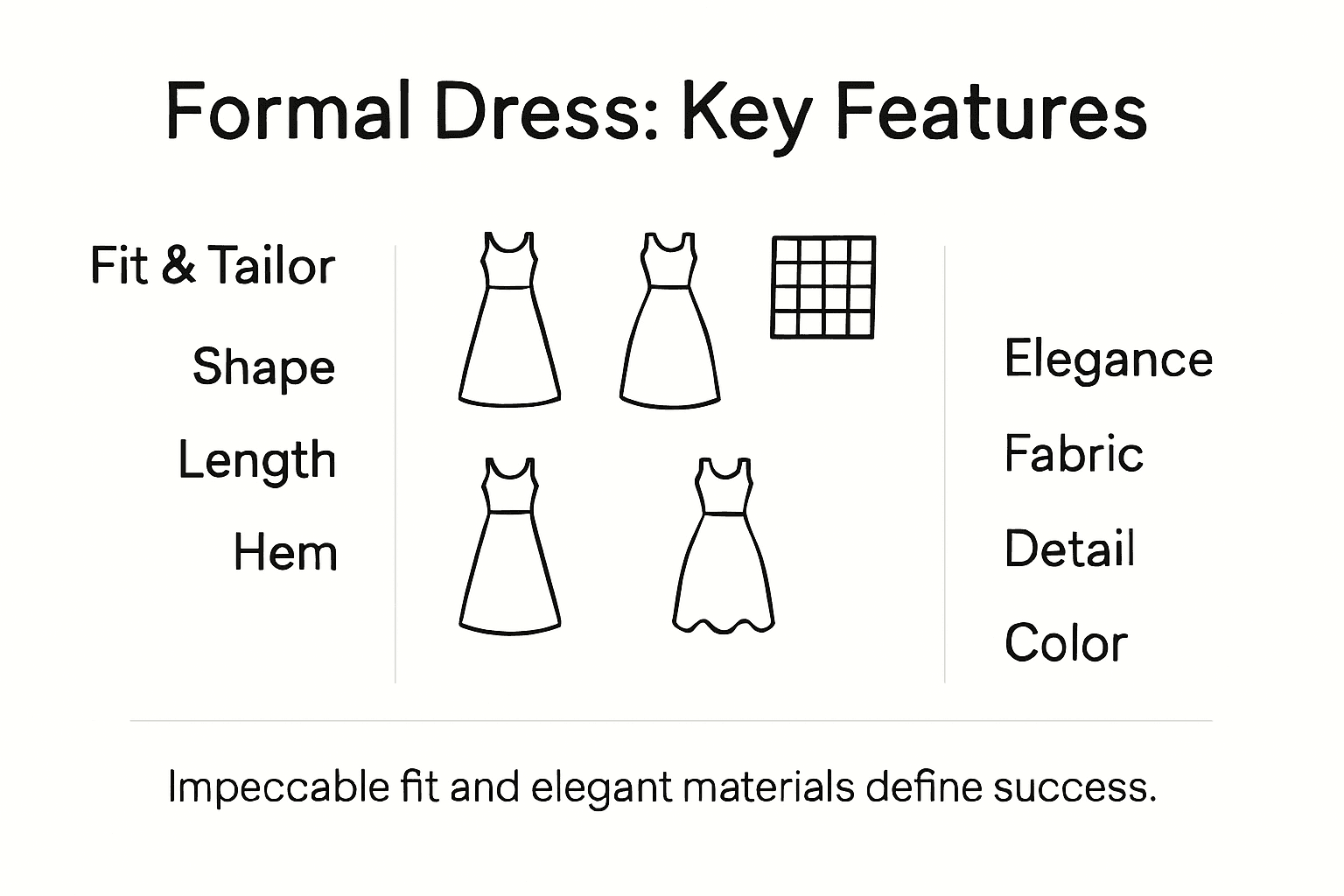
Understanding dress code nuances is critical for navigating different formal event requirements, from white tie galas to corporate conferences. Accessories play a crucial role in completing the formal look, with carefully selected jewelry, clutch bags, and shoes serving as refined complementary elements that elevate the overall ensemble. The most successful formal outfits demonstrate an intuitive understanding of the event’s specific expectations while allowing individual style to shine through subtle personal touches.
Pro Tip: Invest in versatile, high-quality pieces that can be styled differently across multiple formal occasions, maximizing your wardrobe’s flexibility and sophistication.
Selecting Fabrics, Colors, and Accessories
Crafting the perfect formal dress requires an exquisite understanding of fabric selection, color theory, and accessorization. Elegant fashion accessories play a critical role in elevating a formal ensemble, transforming a simple garment into a sophisticated statement of personal style.
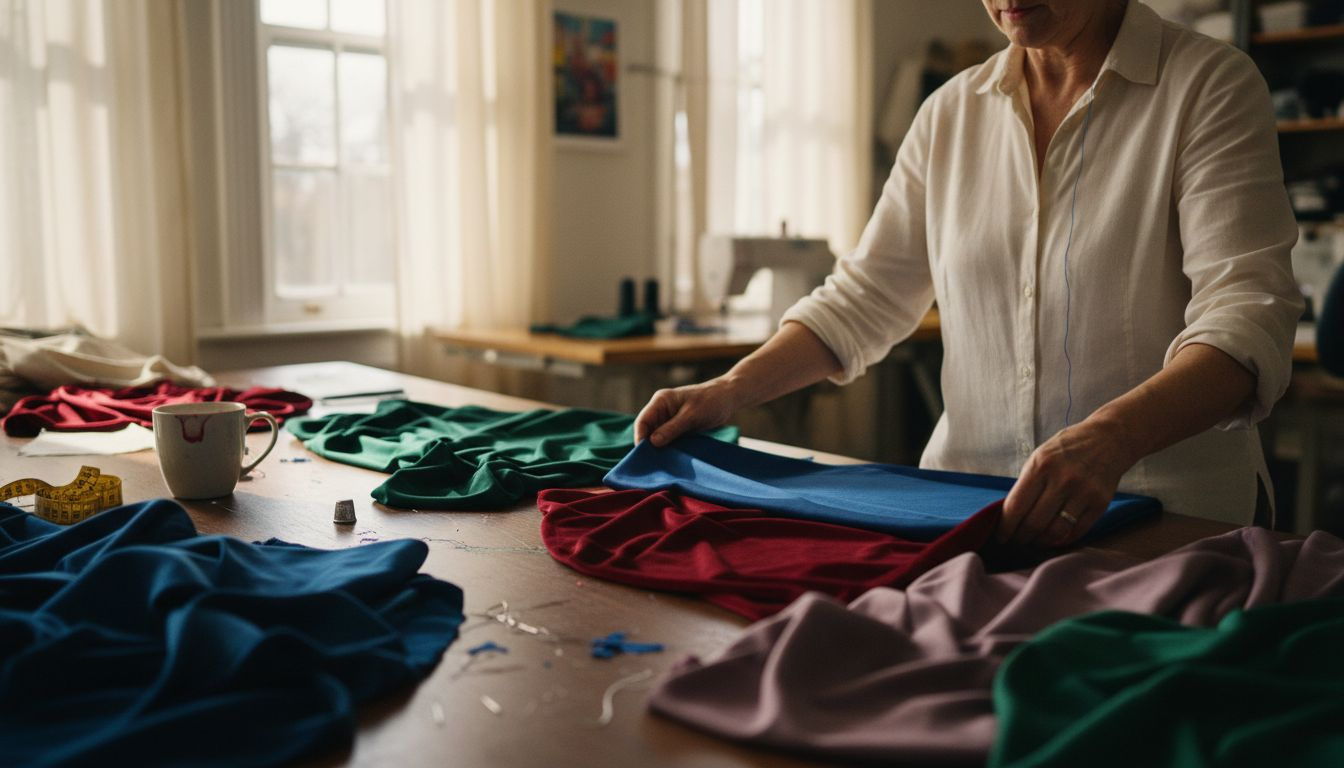
Fabric selection stands as the foundational element of any exceptional formal dress. Luxurious materials like silk, fine wool, and delicate chiffon offer varying textures and draping qualities that can dramatically influence the dress’s overall aesthetic. Cool-toned fabrics such as midnight blue silk or dove gray wool create an air of understated elegance, while rich jewel-toned fabrics like emerald or sapphire provide depth and visual intrigue. The weight, sheen, and movement of the fabric are equally important considerations, with each material communicating a different level of formality and sophistication.
Accessories serve as the critical finishing touches that complete a formal ensemble. Statement jewelry, carefully selected clutch bags, and refined shoes work in harmony to elevate the dress’s inherent elegance. Metallic accents in gold or silver can add subtle sparkle, while classic pearl earrings or a delicate crystal necklace can introduce timeless refinement. The art of accessorizing lies in creating a balanced composition that enhances rather than overwhelms the dress’s fundamental design.
Use this summary to guide smart accessory choices:
Accessory | Ideal Use Case | Effect on Attire |
Clutch Bag | Evening, formal dinners | Adds sophistication |
Statement Jewelry | Award ceremonies, galas | Creates visual interest |
Pearl Earrings | Professional, understated events | Offers timeless elegance |
Metallic Heels | Holiday parties, black tie | Introduces subtle sparkle |
Pro Tip: Invest in versatile, high-quality accessories that can be mixed and matched across multiple formal outfits, maximizing your wardrobe’s potential and ensuring a consistently sophisticated appearance.
Common Mistakes and What to Avoid
Navigating the complex world of formal dress requires a nuanced understanding of potential pitfalls that can compromise an otherwise elegant ensemble. Common mistakes in formal dressing can significantly undermine the sophistication and impact of your carefully selected outfit, making awareness and attention to detail critical for creating a polished appearance.
One of the most fundamental errors women make is selecting ill-fitting garments that fail to complement their body shape. An impeccably designed dress loses its elegance when it does not drape correctly, creating unflattering lines or uncomfortable silhouettes. Fabric choice also plays a crucial role, with low-quality materials that wrinkle easily or lose shape quickly instantly diminishing the dress’s refined aesthetic. Color and pattern selection demands equal scrutiny, as overly bold or inappropriate choices can clash with the event’s dress code and professional expectations.
Accessorizing presents another potential minefield for those navigating formal dress requirements, with over-embellishment or inappropriate jewelry selections capable of transforming a sophisticated look into a fashion misstep. The delicate balance lies in selecting complementary accessories that enhance rather than overwhelm the dress, maintaining a sense of understated elegance. Understanding the specific nuances of different formal dress codes becomes paramount, as what works perfectly for one event might appear inappropriate or insufficient for another.
Pro Tip: Always request a professional fitting and consult the event dress code in advance, ensuring your formal dress not only fits impeccably but also aligns perfectly with the occasion’s expectations.
Elevate Your Formal Wardrobe with Timeless Elegance

Navigating the world of formal dresses today can feel overwhelming with so many styles, fabrics, and dress codes to consider. If you are seeking sophistication that truly reflects your personal style while respecting the nuances of events like galas, weddings, or corporate dinners, finding a dress that fits impeccably and embodies elegance is essential. From luxurious fabrics to carefully crafted silhouettes, a formal dress should empower you with confidence and grace.

Discover exquisite collections at Vivien Lauren, where every piece is designed with craftsmanship passed down through generations in Italy. Our luxury dresses, alongside our curated selection of refined bags and fashion accessories, offer versatile elegance for all your formal occasions. Shop now to experience exclusive designs that combine timeless style with modern sophistication, complete with benefits such as free UK and international shipping on qualifying orders and flexible payment options. Start transforming your formal look today by visiting Vivien Lauren’s landing page and immerse yourself in a world of luxury that honors your unique expression and the art of formal dressing.
Frequently Asked Questions
What defines a formal dress for ladies today?

A formal dress for ladies today is characterized by elegant designs, luxurious fabrics, and a focus on sophisticated silhouettes, suitable for high-profile events such as weddings and corporate gatherings.
What are the common types of formal dresses for women?
Common types of formal dresses for women include ball gowns, evening gowns, cocktail dresses, and A-line dresses, each designed for specific occasions and levels of formality.
How should I choose the right fabric for a formal dress?
When choosing fabric for a formal dress, prioritize luxurious materials like silk, satin, and chiffon that provide elegant draping and comfort, while also considering the event’s formality.
What accessories should I consider to complement my formal dress?
To complement your formal dress, consider accessories like statement jewelry, a sophisticated clutch bag, and refined shoes that enhance your overall look without overwhelming the dress.

Recommended


