
What Is a Fashion Stylist and Their Impact
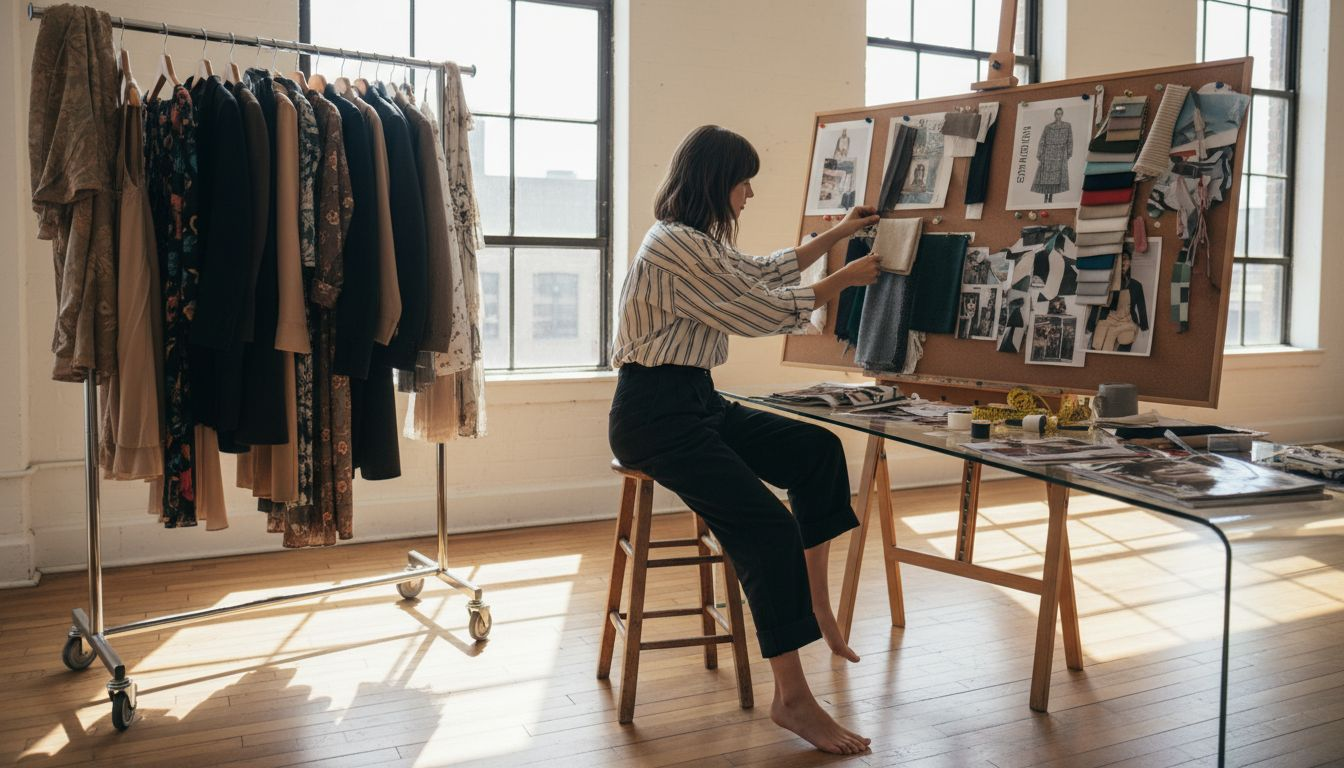
Over eighty percent of British women believe personalized styling creates greater confidence, yet most struggle to make luxury Italian fashion part of their daily wardrobe. Navigating the world of handcrafted designer pieces requires more than just following American trends or browsing glossy magazines. This guide uncovers the real expertise a professional stylist brings, helping you understand the impact of thoughtful image curation on refining your signature style and maximizing every investment in exceptional clothing.
Table of Contents
Key Takeaways
Point | Details |
Fashion Stylists Enhance Personal Expression | They transform clothing into visual narratives that reflect individual identity and cultural trends. |
Diverse Roles in Styling | Fashion stylists operate in various fields, including personal, editorial, commercial, and digital styling, each requiring unique skills. |
Critical Skills and Education | Successful stylists need creativity, communication skills, and technical knowledge alongside continuous learning and practical experience. |
Financial and Risk Management | They must navigate financial responsibilities and mitigate risks, ensuring transparency and professional relationships in their projects. |
Defining a Fashion Stylist’s Role
A fashion stylist is a creative professional who transforms clothing into powerful narratives of personal expression and visual communication. Unlike simple clothing selection, fashion styling represents a sophisticated art form that combines aesthetic sensibility with strategic design, bridging individual identity and broader cultural trends.

Professional stylists operate across multiple domains, curating looks for individuals, brands, photoshoots, editorial platforms, and commercial campaigns. Their work extends far beyond matching garments, requiring an intricate understanding of color theory, body proportions, cultural contexts, and emerging fashion trends. A stylist must possess an exceptional ability to read client personalities and translate those nuanced characteristics into visual language through carefully selected ensembles.
The core responsibilities of a fashion stylist include comprehensive image development, wardrobe consultation, trend analysis, and creative direction. Whether working with celebrities, magazines, advertising agencies, or individual clients, stylists craft compelling visual stories that communicate complex emotional and professional narratives. Their expertise involves understanding fashion’s multifaceted role in personal representation, transforming clothing from mere fabric into powerful modes of self-expression.
Pro tip: Aspiring fashion stylists should build a diverse portfolio showcasing versatility across different aesthetic styles and client types, demonstrating technical skill and creative vision.
Types of Fashion Stylists Explained
Fashion styling represents a diverse profession with multiple specialized roles, each demanding unique skills and creative approaches. Professional stylists operate across distinct professional domains, crafting visual narratives through carefully curated looks and strategic wardrobe selections.
The primary types of fashion stylists include personal stylists, who work intimately with individual clients to develop signature looks that reflect personality and lifestyle; editorial stylists, who create compelling visual stories for magazines and high-end publications; and commercial stylists, who collaborate with brands to develop marketing imagery and advertising campaigns. Celebrity stylists represent another critical category, managing public image and red carpet appearances for high-profile clients, while runway stylists work directly with fashion designers to conceptualize and execute collection presentations during fashion weeks.
Beyond these core categories, specialized styling roles continue to emerge in response to evolving media landscapes. Digital stylists now focus on ecommerce visual merchandising, creating online shopping experiences that translate tactile fashion concepts into compelling digital presentations. Film and television wardrobe stylists play crucial roles in character development, using clothing to communicate narrative depth and psychological nuance. Product stylists work with brands to showcase clothing and accessories in their most flattering and marketable configurations.
Here’s a comparison of the main types of fashion stylists and their unique focus:
Stylist Type | Primary Environment | Key Responsibilities |
Personal Stylist | Private clients’ lives | Curates individual wardrobes, personal brand consultation |
Editorial Stylist | Magazines, media | Crafts visual stories, coordinates photoshoots |
Commercial Stylist | Advertising, brands | Develops marketing imagery, oversees product styling |
Celebrity Stylist | Entertainment industry | Manages red carpet looks, public image |
Runway Stylist | Fashion shows | Conceptualizes collection presentations |
Digital Stylist | Online/Ecommerce | Designs impactful digital visuals, virtual merchandising |
Film/TV Wardrobe Stylist | Film sets/TV studios | Creates character wardrobes, supports storytelling |
Product Stylist | Retail, brands | Enhances product presentation for sales |
Pro tip: Build a versatile portfolio showcasing your ability to adapt styling techniques across different professional contexts, demonstrating range and creative flexibility.
Key Skills and Qualifications Needed
Successful fashion stylists must develop a comprehensive skill set that blends artistic creativity with strategic professional capabilities. Essential professional competencies encompass multiple dimensions of technical knowledge, interpersonal communication, and creative vision.
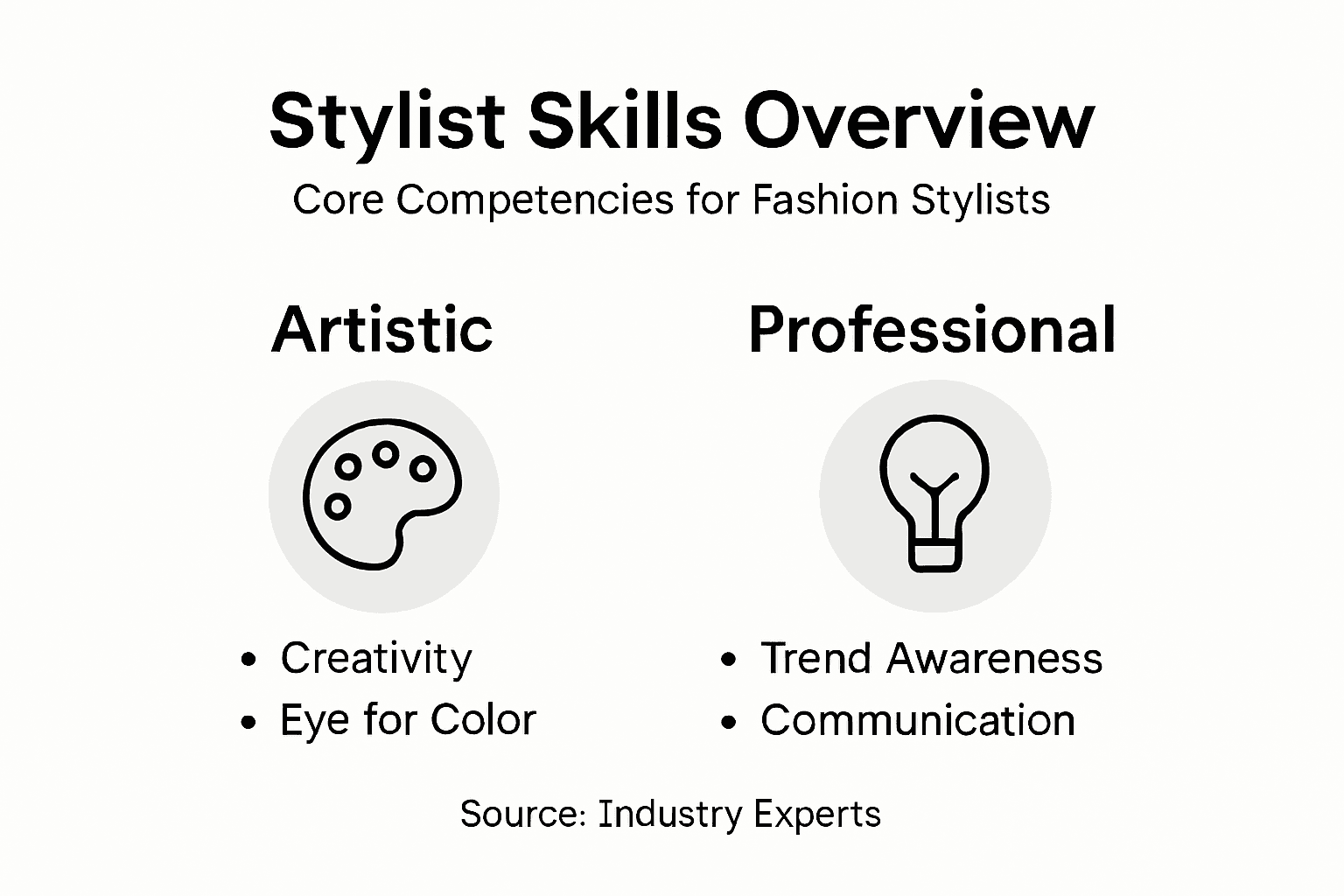
The core skills required for fashion styling include exceptional creativity, trend awareness, and a deep understanding of visual composition. Professionals must possess keen aesthetic sensibilities, allowing them to curate looks that communicate complex narratives through clothing selections. Strong communication skills are equally critical, enabling stylists to collaborate effectively with clients, photographers, designers, and brand representatives. Technical proficiencies such as knowledge of textile properties, garment construction, color theory, and body proportions form the foundational technical expertise that distinguishes exceptional stylists from average practitioners.
Formal education and professional development play significant roles in career progression. While many stylists enter the field through fashion design degrees, photography backgrounds, or visual arts programs, continuous learning remains paramount. This includes staying current with emerging designers, understanding global fashion trends, mastering digital styling tools, and developing a robust professional network. Practical experience through internships, assisting established stylists, and building a comprehensive portfolio are often more valuable than traditional academic credentials in this dynamic and creative profession.
Pro tip: Invest consistently in building a diverse portfolio that showcases your versatility across different styling contexts and demonstrates your unique creative perspective.
Fashion Stylists in Luxury Fashion
Luxury fashion represents a sophisticated ecosystem where stylists play transformative roles beyond mere clothing selection. Fashion stylists shape global brand narratives through intricate visual storytelling that communicates heritage, quality, and exclusivity.

In the luxury fashion landscape, stylists function as sophisticated visual architects, carefully constructing brand identities that transcend traditional marketing approaches. They meticulously curate collections, photoshoots, and runway presentations that communicate complex emotional narratives, blending artistic vision with strategic brand positioning. These professionals navigate intricate relationships between designers, photographers, magazines, and consumers, creating compelling visual experiences that elevate fashion from functional clothing to aspirational art forms.
The digital transformation has further expanded the luxury fashion stylist’s role, requiring profound adaptability and technological sophistication. Contemporary stylists must seamlessly integrate traditional craftsmanship with digital storytelling, understanding how visual narratives translate across international markets and digital platforms. Their expertise involves not just selecting garments, but creating immersive brand experiences that resonate with discerning global audiences who value authenticity, innovation, and timeless elegance.
Pro tip: Develop a deep understanding of cultural nuances and global aesthetic trends to create truly compelling luxury fashion narratives.
Responsibilities, Costs, and Risks in Styling
Fashion styling involves complex professional responsibilities that extend far beyond aesthetic selection, requiring meticulous management of creative and financial expectations. Professional conduct demands comprehensive risk management across multiple dimensions of client interaction and project execution.
The financial landscape of fashion styling encompasses intricate budget considerations, including wardrobe procurement, rental costs, photoshoot expenses, and potential compensation structures. Stylists must navigate delicate economic territories, balancing client budgets with creative vision while maintaining transparency about potential expenditures. This involves detailed cost forecasting, negotiating with designers and brands, managing rental agreements for high-end pieces, and creating contingency plans for unexpected expenses or last-minute changes in creative direction.
Risk management represents a critical aspect of professional styling practice. Potential risks include intellectual property disputes, contractual misunderstandings, potential wardrobe malfunctions, and reputational challenges. Successful stylists develop comprehensive strategies to mitigate these risks, including clear written agreements, professional insurance coverage, thorough documentation of creative processes, and maintaining impeccable professional relationships with clients, designers, and industry professionals. Their ability to anticipate and navigate potential complications distinguishes exceptional stylists from average practitioners.
Below is a quick guide to the primary risks and cost factors in professional fashion styling:
Aspect | Common Examples | Impact on Practice |
Financial Costs | Wardrobe procurement, rentals | Affects project budgets and profitability |
Contractual Risks | Unclear agreements, disputes | Can result in legal or payment issues |
Reputational Risks | Wardrobe malfunctions, missed deadlines | May harm client relationships and future opportunities |
Insurance & Liability | Lack of coverage | Increases vulnerability to financial loss |
Pro tip: Develop comprehensive contract templates and professional liability insurance to protect your creative and financial interests in styling projects.
Elevate Your Personal Style with Expertly Curated Luxury Fashion
Understanding the art and impact of fashion styling reveals the challenge of translating creativity and personal expression into powerful visual narratives. Many seek to embody the sophistication and timeless elegance that fashion stylists craft for their clients but face difficulty finding pieces that truly convey individuality while aligning with current luxury trends. Whether you are aiming to develop your signature look or need wardrobe inspiration reflecting craftsmanship and exclusivity, embracing curated collections designed with these principles in mind is essential.
Experience the transformative power of fashion styling by exploring our elegant and carefully selected women’s apparel and accessories. At Vivien Lauren you will discover refined dresses, bags, and shoes crafted in Italy with heritage techniques that enable potent self-expression and effortless sophistication. Each piece helps you tell your unique story through fashion that has been thoughtfully styled to meet the highest standards of luxury and modernity.
Discover the difference a well-styled wardrobe can make in your life today.

Start your journey toward timeless elegance now by visiting Vivien Lauren. Browse our curated collections designed to bring your personal style vision to life while enjoying benefits like free UK & international shipping on qualifying orders. Unlock your fashion potential and own a wardrobe that speaks volumes about who you are with every garment you wear.
Frequently Asked Questions
What is the role of a fashion stylist?
A fashion stylist is a creative professional who curates looks and transforms clothing into powerful forms of personal expression and visual storytelling. They work with individuals, brands, and media to create cohesive and impactful visual narratives.
What types of fashion stylists exist?
There are several types of fashion stylists, including personal stylists, editorial stylists, commercial stylists, celebrity stylists, runway stylists, digital stylists, film/TV wardrobe stylists, and product stylists. Each type focuses on different aspects of fashion presentation and branding.
What skills are essential for a successful fashion stylist?
Key skills for a fashion stylist include creativity, trend awareness, strong communication, knowledge of visual composition, and technical expertise regarding textiles and body proportions. Building a portfolio and professional network is equally important for career progression.
How do fashion stylists manage costs and risks in their projects?

Fashion stylists must carefully budget for wardrobe procurement, rental costs, and photoshoot expenses. They also need to handle contractual risks and reputational challenges by using clear agreements and maintaining professional relationships, along with obtaining insurance to protect their interests.
Recommended
This immersive fashion article on the Fashion Stylist, has been brought to you by Shona White. Authored for Vivien Lauren. Explore more of the Vivien Blog area for more styling ideas, visit the Vivien Lauren website shopping area, for Timeless fashion statement pieces to curate your Elegant look.
Vivien Lauren. Luxury. Craftsmanship that's Proudly Italian. Vivien Lauren. Proud to style.

