
Retro Look Meaning: Icons, Appeal, and Fashion Impact

How can we state the retro look meaning today? Over 60 percent of American shoppers say retro style influences their clothing choices each year. The timeless appeal of vintage-inspired fashion continues to shape wardrobes across the United States, inspiring both designers and everyday outfits. Understanding what defines a true retro look can help you confidently blend nostalgic flair with modern trends, creating a personal style that feels both fresh and unmistakably classic.
Table of Contents
Key Takeaways
Point | Details |
Understanding Retro Look | Retro style is a blend of historical design elements and contemporary fashion, focusing on creative reinterpretation rather than exact replication. |
Influential Decades | Key eras like the 1920s, 1950s, and 1970s have significantly shaped retro aesthetics, each contributing unique visual elements to modern fashion. |
Luxury vs. Everyday Fashion | Retro style bridges both luxury couture and everyday wear, with variations in material quality and design complexity that reflect personal expression. |
Avoiding Common Mistakes | Successful retro styling requires balancing vintage inspiration with modern sensibilities to avoid costume-like appearances and ensure sophistication. |
Defining Retro Look meaning in Fashion Today

The retro look represents more than just nostalgic clothing from previous decades. It embodies a sophisticated cultural reimagining that transforms historical fashion elements into contemporary style statements. Contemporary fashion’s relationship with vintage aesthetics demonstrates how designers skillfully reinterpret past trends through a modern lens.
At its core, retro style reflects a nuanced emotional connection to historical design. As defined in scholarly research, retro represents objects and attitudes from the recent past that feel simultaneously familiar and distant. This aesthetic approach suggests a half-ironic, half-longing perspective that distances current fashion from previous eras’ dominant design philosophies. The style isn’t about exact replication, but rather a creative interpretation that captures the spirit of a particular time period while remaining distinctly modern.
Key characteristics of the retro look include:
Recognizable silhouettes from specific decades (1950s, 1960s, 1970s)
Authentic or reimagined vintage color palettes
Distinctive fabric textures and patterns
Modern adaptations of historical design elements
Understanding retro fashion requires acknowledging its complex emotional landscape. It’s not merely about wearing vintage clothing, but about creating a narrative that connects personal style with cultural memory. Designers and fashion enthusiasts approach retro looks as artistic expressions, transforming historical references into contemporary statements that feel both nostalgic and innovative.
Key Elements and Signature Features
The retro look is defined by distinctive visual characteristics that capture the essence of past decades through bold design elements and vibrant color palettes. These signature features transform clothing and accessories into powerful statements of stylistic nostalgia, blending historical references with contemporary sensibilities.

Color plays a pivotal role in defining retro aesthetics. Earthy tones like mustard yellow, rust, olive green, and burnt orange dominate the palette, creating a warm and dynamic visual landscape. These colors are strategically applied with matte finishes that prevent them from feeling dated, instead rendering them sophisticated and intentional. Texture becomes another critical component, with fabrics like bouclé, chenille, and velvet adding depth and tactile complexity to retro-inspired designs.
Signature design features of the retro look include:
Geometric patterns and bold graphic prints
Distinctive typographic treatments
Checkerboard and grid-like design elements
Exaggerated silhouettes from specific decades
Purposeful color blocking
Beyond visual elements, retro style communicates an emotional narrative. It’s not merely about reproducing historical fashion, but reimagining past design languages through a contemporary lens. Designers carefully balance nostalgia with innovation, creating pieces that feel simultaneously familiar and fresh. This approach allows fashion enthusiasts to explore personal style through a dynamic, historically informed perspective that celebrates the cyclical nature of design trends.
Major Eras Influencing Retro Style

Retro fashion draws inspiration from multiple iconic decades, each contributing unique design elements that continue to resonate in contemporary style. Distinctive fashion periods showcase remarkable transformations in clothing silhouettes and aesthetic expressions, creating a rich tapestry of historical design influences.
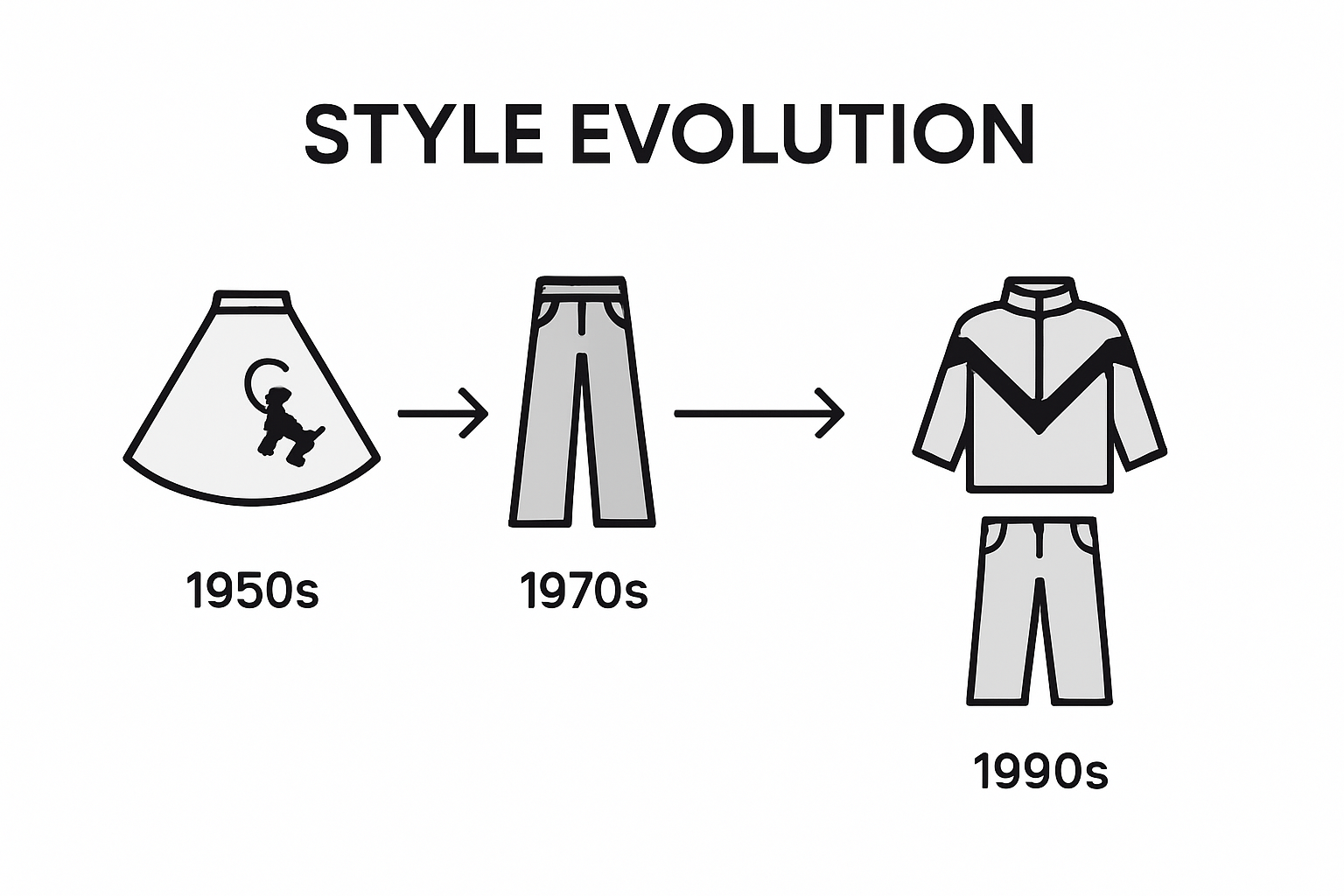
The 1920s introduced revolutionary styles characterized by drop waist shift dresses, intricate beading, and lightweight fabrics like silk and chiffon. The 1950s dramatically shifted silhouettes with cinched waists, full skirts, and playful polka dot patterns that epitomized feminine glamour. Each subsequent decade brought its own signature look: the 1960s introduced bold geometric prints and mini skirts, while the 1970s embraced wide-leg pants, vibrant colors, and disco-inspired glamour.
Key eras that significantly shaped retro style include:
1920s: Flapper elegance and revolutionary hemlines
1950s: Hourglass silhouettes and conservative chic
1960s: Mod culture and revolutionary youth fashion
1970s: Disco and bohemian influences
Late 1990s/Early 2000s: Vibrant Y2K aesthetic with futuristic undertones
Contemporary fashion designers continue to reinterpret these historical styles, creating hybrid looks that blend nostalgia with modern sensibilities. By carefully selecting and reimagining elements from different eras, fashion enthusiasts can craft unique personal styles that pay homage to historical design while remaining distinctly current and innovative.
Variations in Luxury and Everyday Fashion
Retro style transcends traditional fashion boundaries, seamlessly bridging luxury couture and everyday wear through nuanced design interpretations. Historical fashion movements reveal complex approaches to style that blend opulence with accessibility, demonstrating how retro aesthetics can be simultaneously sophisticated and practical.
Luxury retro fashion often draws inspiration from historically significant design movements, incorporating high-end materials and intricate craftsmanship. Designers reinterpret classic silhouettes using premium fabrics, creating pieces that celebrate historical elegance while maintaining contemporary relevance. In contrast, everyday retro fashion embraces more relaxed layering techniques and accessible styling approaches, allowing broader interpretations of vintage-inspired looks.
Key distinctions between luxury and everyday retro fashion include:
Fabric quality and material selection
Level of structural complexity
Price point and accessibility
Craftsmanship and detail intricacy
Adaptability to various social contexts
Ultimately, retro style transcends traditional fashion categorizations. Whether expressed through haute couture or street-inspired ensembles, this aesthetic celebrates the ongoing dialogue between historical design and contemporary personal expression. Fashion enthusiasts can explore retro influences across multiple style spectrums, finding unique ways to incorporate vintage-inspired elements that reflect individual creativity and cultural appreciation.
Common Mistakes When Styling Retro Looks
Styling retro fashion requires a delicate balance between historical inspiration and contemporary sophistication. Common styling errors can quickly transform an intended vintage look into a costume-like appearance, undermining the elegance of retro-inspired fashion.
One of the most significant pitfalls is an overzealous approach to vintage elements. Neglecting the balance between vintage and modern pieces can result in an outdated rather than timeless aesthetic. The key is subtle integration, not wholesale replication of a past era. Designers and fashion enthusiasts must carefully curate their looks, selecting vintage-inspired pieces that complement contemporary styles.
Critical mistakes to avoid in retro styling include:
Overwhelming patterns and color combinations
Exact period costume replication
Ignoring personal body shape and proportions
Neglecting modern styling techniques
Forced or inauthentic vintage accessorizing
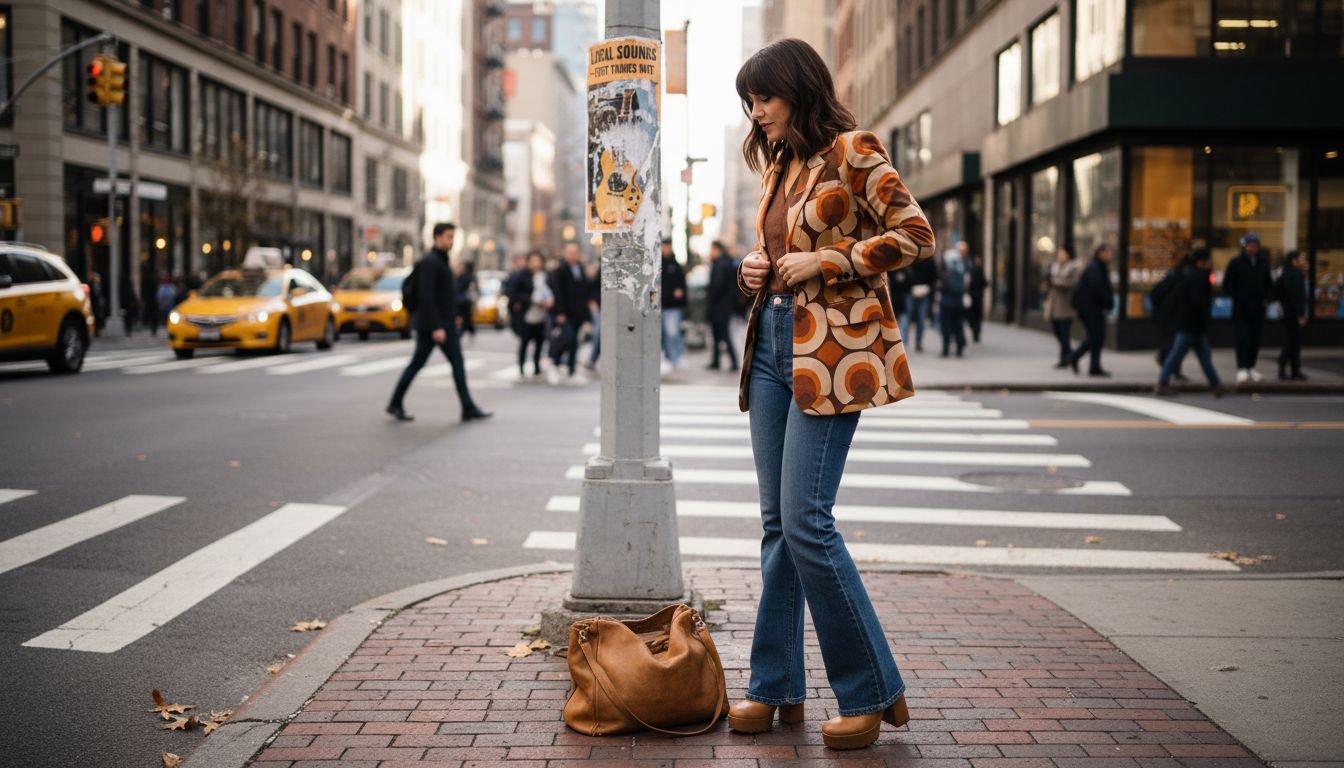
Successful retro styling is an art of nuance. It demands a thoughtful approach that respects historical design while celebrating individual expression. The most sophisticated retro looks emerge from an understanding that fashion is a dialogue between past and present, where personal style takes precedence over strict historical accuracy.
Elevate Your Retro Style with Timeless Elegance
Navigating the fine line between vintage inspiration and modern sophistication can be challenging when embracing the retro look. The article highlights common styling pitfalls such as overwhelming patterns or costume-like appearances that dilute the impact of retro fashion. If you seek to express your personal style through authentic, high-quality pieces that balance nostalgia with contemporary craftsmanship visit Vivien Lauren. Our curated collections bring together classic silhouettes and luxurious fabrics inspired by iconic eras while ensuring every item feels fresh and modern.
Discover elegant dresses, refined bags, and statement accessories designed to transform your retro aesthetic into a chic and timeless wardrobe. Experience the allure of handcrafted fashion made in Italy, crafted with generations of expertise. Shop now to embrace a sophisticated retro look that honors heritage without sacrificing personal expression or quality. Start your journey today at Vivien Lauren and enjoy benefits like free UK shipping on orders over £80 and flexible payment options.
Frequently Asked Questions
What does retro look mean in fashion?

The retro look in fashion refers to a style that draws inspiration from previous decades, creating a modern interpretation of historical aesthetics. It embodies a blend of nostalgia and innovation, transforming classic fashion elements into contemporary statements.
What are the key characteristics of retro style?
Key characteristics of retro style include recognizable silhouettes from specific decades, authentic or reimagined vintage color palettes, distinctive fabric textures and patterns, and modern adaptations of historical design elements.
How can I effectively style retro fashion?
To style retro fashion effectively, aim for a balance between vintage and modern elements. Avoid overwhelming patterns and exact period costume replication. Instead, integrate vintage-inspired pieces with contemporary styles while considering your body shape and proportions for a sophisticated look.
Which eras most influence retro style today?
Major eras influencing retro style today include the 1920s with flapper dresses, the 1950s’ hourglass silhouettes, the bold geometric patterns of the 1960s, the bohemian influences of the 1970s, and the vibrant Y2K aesthetic from the late 1990s to early 2000s.
Recommended

This Retro Fashion article and its impact on fashion has been authored by Shona White on behalf of Vivien Lauren.
Vivien Lauren. Luxury. Craftsmanship that's Proudly Italian. Vivien Lauren. Proud To Style.


