
Contemporary Fashion: Elevating Modern Elegance

Finding true distinction in fashion often means looking beyond fleeting trends and seeking pieces that reflect personal values, cultural heritage, and innovative artistry. For women who appreciate the refined sophistication of Italian craftsmanship and crave luxury that feels globally relevant, the concept of contemporary fashion offers more than just style—it represents a world of artistic expression and personal storytelling. It emphasizes modern, wearable designs, comfort, and sustainability, often blending current trends with timeless, staples, positioning itself as affordable luxury fashion. Discover how modern design philosophy transforms each garment into an enduring statement of individuality and elegance.
Table of Contents
Key Takeaways
Point | Details |
Contemporary Fashion as Communication | Fashion serves as a medium for social commentary, prioritizing personal expression over traditional trends. |
Integration of Technology and Sustainability | Modern designers utilize innovative materials and sustainable practices, transforming fashion into a platform for ethical consumption. |
Challenging Traditional Norms | Designers push boundaries by incorporating multicultural perspectives and questioning gender constructs in their creations. |
Consumer Awareness is Essential | Shoppers must navigate complexities in sustainable fashion by prioritizing quality, transparency, and ethical practices in their choices. |
Defining Contemporary Fashion And Core Concepts
Contemporary fashion transcends traditional design parameters, representing a dynamic intersection of artistic expression, cultural commentary, and personal identity. Fashion’s conceptual evolution reflects an increasingly interdisciplinary approach where clothing becomes more than mere fabric—it emerges as a complex communication medium. It emphasizes modern, wearable designs, comfort, and sustainability, often blending current trends with timeless, staples, positioning itself as affordable luxury fashion.
At its core, contemporary fashion distinguishes itself through several fundamental characteristics:
Conceptual Depth & affordable luxury: Goes beyond aesthetic appeal to communicate social narratives
Interdisciplinary Approach: Blends design, art, technology, and cultural perspectives
Personal Expression: Prioritizes individual interpretation over mass-market trends
Technological Integration: Incorporates innovative materials and production techniques
The modern fashion landscape is characterized by its responsiveness to context, challenging conventional design strategies. Contemporary designers view fashion as a fluid, performative art form that adapts to changing social dynamics, body movements, and individual experiences. This perspective shifts fashion from a purely commercial enterprise to a nuanced platform for cultural dialogue.
Philosophical Underpinnings of contemporary fashion include challenging traditional aesthetic norms, and creating garments that communicate complex human experiences. Designers now see clothing not just as functional coverings but as critical statements about identity, society, and individual autonomy.
Pro tip: Approach contemporary fashion as a language of personal storytelling, where each garment represents a unique narrative beyond its physical form.
Here’s a comparison of traditional fashion and contemporary fashion characteristics:
Aspect | Traditional Fashion | Contemporary Fashion |
Design Approach | Follows set conventions | Emphasizes experimentation |
Cultural Influence | Local heritage focus | Global and cross-cultural blend |
Role of Technology | Minimal integration | Advanced materials, innovation |
Consumer Emphasis | Conformity to trends | Personal storytelling, autonomy |
Sustainability Focus | Less prioritized | Central to brand philosophy |
Major Styles And Influences In Contemporary Fashion
Contemporary fashion represents a complex tapestry of global influences, where cultural diversity shapes design trends across multiple aesthetic dimensions. The modern fashion landscape transcends geographical boundaries, creating a rich, interconnected visual dialogue that reflects complex social narratives and individual expressions.
Key influences driving contemporary fashion include:
Global Cultural Exchange: Blending traditional textiles with modern design techniques
Social Media Impact: Accelerating trend adoption and democratizing fashion visibility
Technological Innovation: Introducing advanced materials and production methods
Sustainability Consciousness: Prioritizing ethical and environmentally responsible design
The evolution of contemporary fashion is deeply rooted in multicultural perspectives. Technological Integration and digital platforms have fundamentally transformed how designers conceptualize and communicate fashion, enabling unprecedented cross-cultural creative exchanges. From streetwear to haute couture, contemporary styles reflect a nuanced understanding of identity, challenging traditional aesthetic boundaries and embracing individual interpretation.

Philosophical Dimensions of contemporary fashion extend beyond mere clothing, emerging as a critical platform for social commentary. Designers now craft garments that communicate complex narratives about gender, identity, cultural heritage, and personal autonomy, transforming fashion from a commercial enterprise into a powerful medium of self-expression.
Pro tip: Embrace fashion as a dynamic language of personal storytelling, where each garment represents a unique intersection of cultural influences and individual identity.
Signature Characteristics And Brand Distinctions
Contemporary fashion brands distinguish themselves through unique signature styles that express identity and cultural narratives. These distinctive characteristics go far beyond aesthetic choices, representing complex visual languages that communicate brand philosophy, values, and creative vision.
Key signature characteristics that define modern fashion brands include:
Narrative Design: Creating collections that tell cohesive stories
Cultural Craftsmanship: Emphasizing heritage and artisanal techniques
Symbolic Representation: Using design elements as metaphorical expressions
Technological Innovation: Integrating cutting-edge materials and production methods
Ethical Positioning: Demonstrating commitment to sustainability and social responsibility
Brand Identity emerges through nuanced design choices that transcend conventional aesthetic boundaries. Contemporary designers approach signature styles as dynamic conversations between tradition and innovation, carefully constructing visual identities that resonate with specific audience expectations and cultural contexts. From minimalist architectural silhouettes to intricate cultural references, each design element becomes a deliberate statement of brand philosophy.
The most compelling fashion brands transform signature characteristics into powerful emotional experiences. Philosophical Narratives embedded within design choices communicate complex ideas about identity, social dynamics, and personal expression. These brands do not merely create clothing; they craft immersive visual languages that invite consumers to participate in broader cultural dialogues.
Pro tip: Develop your personal style by understanding the narrative behind design choices, not just their visual appeal.
The Role Of Craftsmanship And Sustainability
Contemporary fashion increasingly recognizes craftsmanship as a pathway to sustainability, transforming traditional techniques into innovative design approaches that honor cultural heritage while addressing modern environmental challenges. This holistic perspective reimagines fashion as more than a commercial product, positioning it as a critical medium for preserving artistic traditions and promoting responsible consumption.
Key principles defining the intersection of craftsmanship and sustainability include:
Cultural Preservation: Maintaining traditional textile techniques
Artisanal Value: Prioritizing skilled handwork over mass production
Material Consciousness: Selecting environmentally responsible resources
Ethical Production: Ensuring fair labor practices and worker dignity
Longevity Design: Creating garments that transcend seasonal trends
Sustainable Craftsmanship represents a profound philosophical shift in fashion design. Contemporary designers are reframing production as a holistic process that integrates artistic skill, environmental responsibility, and social consciousness. This approach challenges the fast fashion model, emphasizing quality, durability, and meaningful creation over disposable, trend-driven consumption.
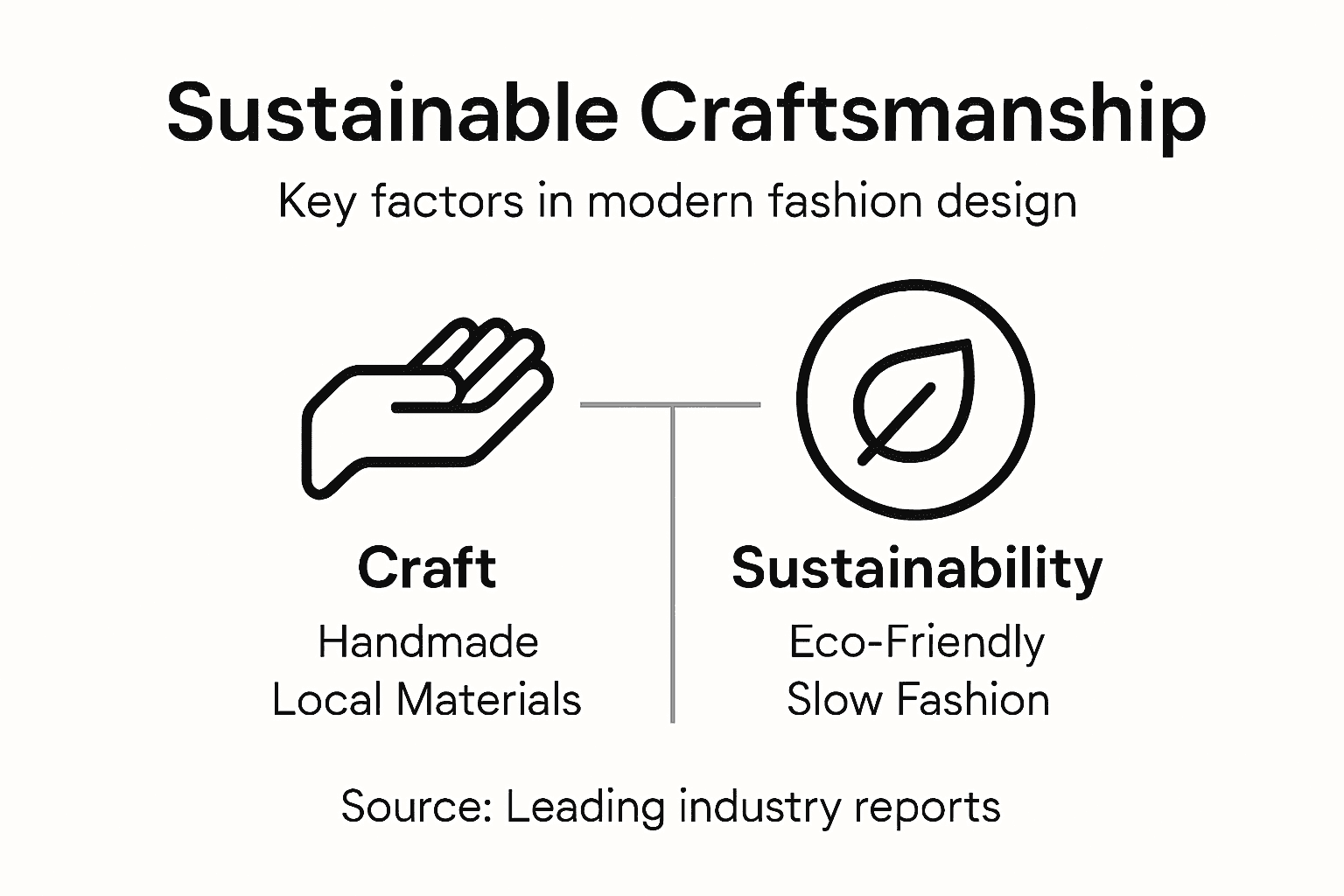
The most innovative fashion brands are transforming sustainability from a peripheral concern to a central design philosophy. Innovative Approaches integrate advanced technologies with traditional crafting methods, creating a dynamic dialogue between heritage techniques and cutting-edge sustainable practices. By valuing human skill and ecological mindfulness, these brands are redefining fashion’s potential as a transformative cultural force.
Pro tip: Invest in pieces that tell a story, combining exceptional craftsmanship with sustainable principles, and watch your wardrobe become a meaningful collection of artisan-created treasures.
Navigating Consumer Choices And Common Pitfalls
Modern fashion consumers face increasingly complex decisions when seeking sustainable and ethical purchasing strategies. The landscape of responsible fashion consumption requires nuanced understanding, balancing personal style, environmental consciousness, and ethical considerations within an often overwhelming marketplace.
Common challenges consumers encounter in sustainable fashion selection include:
Information Overload: Difficulty interpreting complex sustainability claims
Price Sensitivity: Higher costs associated with ethical production
Greenwashing Risks: Brands marketing misleading environmental credentials
Limited Accessibility: Fewer sustainable options in mainstream retail
Sizing and Fit Constraints: Reduced variety in ethically produced clothing
Consumer Decision-Making has evolved beyond simple aesthetic preferences, now incorporating complex ethical evaluations. Modern shoppers increasingly demand transparency, seeking brands that demonstrate genuine commitment to environmental and social responsibility. This shift requires consumers to develop critical skills in assessing fashion choices beyond traditional marketing narratives.
The most sophisticated approach to sustainable fashion involves holistic evaluation. Ethical Consumption means understanding product lifecycles, recognizing genuine sustainable practices, and making informed choices that align with personal values. By developing a discerning perspective, consumers can transform their wardrobes into statements of personal integrity and environmental consciousness.
Pro tip: Research brands thoroughly, prioritize quality over quantity, and invest in versatile pieces that demonstrate both ethical production and timeless design.
Below is a summary of key sustainable fashion evaluation criteria to support responsible consumer choices:
Criterion | Why It Matters | How to Evaluate |
Transparency | Ensures ethical practices are followed | Review brand disclosures |
Material Sourcing | Reduces environmental impact | Look for certifications |
Production Ethics | Supports fair labor standards | Research manufacturing sites |
Longevity/Durability | Reduces waste and overconsumption | Check fabric and stitching |
Brand Reputation | Indicates trustworthiness and values | Read independent reviews |
Discover Timeless Elegance That Speaks Your Story
Navigating the world of contemporary fashion can be challenging when striving for pieces that embody craftsmanship, sustainability, and personal storytelling as highlighted in “Contemporary Fashion: Elevating Modern Elegance.” If you seek unique garments that blend artisanal heritage with modern innovation while reflecting your individuality, it is essential to find curated collections that prioritize quality over fleeting trends. At Vivien Lauren, we champion slow fashion principles to offer elegant apparel and accessories crafted in Italy with techniques passed down through generations, allowing you to express your personal narrative with sophistication and confidence.

Elevate your wardrobe now with pieces that embody cultural craftsmanship and sustainable luxury. Explore our exclusive collections at Vivien Lauren, where every item is a statement of timeless elegance. Shop today to enjoy free UK & international shipping on qualifying orders and access convenient interest-free installment plans designed to enhance your shopping experience.
Frequently Asked Questions
What defines contemporary fashion?
Contemporary fashion is characterized by conceptual depth, an interdisciplinary approach, personal expression, and the integration of technology. It represents clothing as a medium for cultural commentary and identity rather than just aesthetic appeal.
How does contemporary fashion differ from traditional fashion?
Contemporary fashion emphasizes experimentation, global influences, and sustainability, while traditional fashion often follows set conventions and has a local heritage focus. It shifts the focus from conformity to trends toward personal storytelling and autonomy.
What role does sustainability play in contemporary fashion?
Sustainability in contemporary fashion involves prioritizing ethical production, material consciousness, and cultural preservation. It transforms craftsmanship into a pathway for addressing modern environmental challenges while creating meaningful design that transcends seasonal trends.
How can consumers make informed choices in sustainable fashion?
Consumers can make informed choices by researching brand transparency, evaluating material sourcing and production ethics, and focusing on durability and longevity of garments. Understanding fashion’s product lifecycles and avoiding greenwashing can also support responsible consumption.
Recommended
This piece on Contemporary Fashion Elegance, by Vivien Lauren has been brought to you by Sammy Li. For Vivien Lauren. Vivien Lauren. Luxury. Craftsmanship that's Proudly Italian. Vivien Lauren. Proud To Style.


